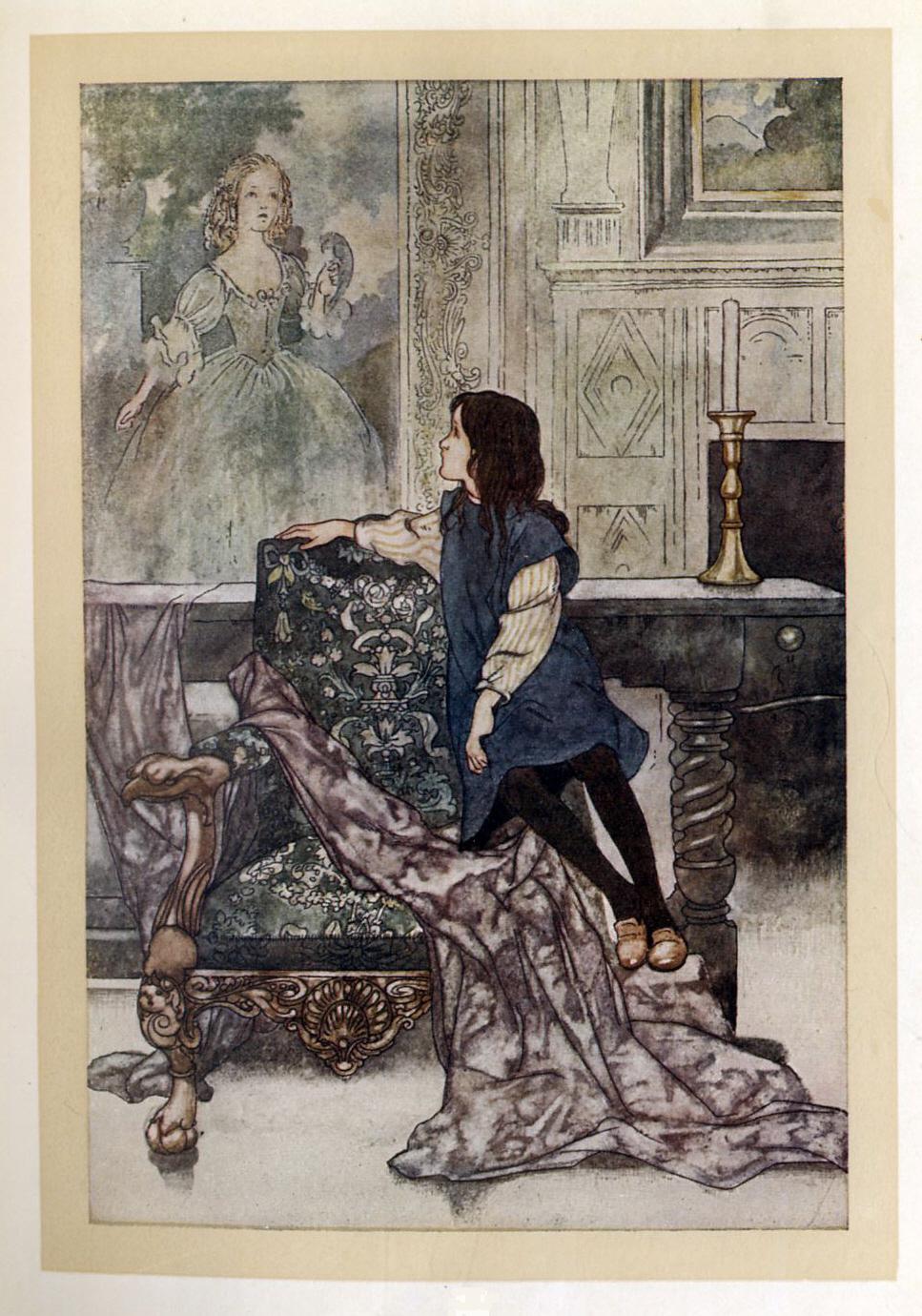
Wilhelm Schulz (geboren den 23. Dezember 1865 in Lüneburg; gestorben am 16. März 1952 in München) war ein deutscher Karikaturist, Maler und Dichter. Er hat insbesondere für die Satire-Zeitschrift Simplicissimus und als Buchillustrator gearbeitet. Eigentlich müsste man ihn als Malerdichter bezeichnen, da er eigene Kinderbücher (Märchen, Bilder und Gedichte, ferner Der Prutzeltopf 1904) geschrieben und illustriert hat. Wir werden diese Bücher in späteren Blogs vorstellen.
Ludwig Thoma schrieb dazu: Und dann schicke ich Ihnen ein ganz prachtvolles Kinderbuch von Wilhelm Schulz. Ich glaube, daß man unsern biedern Deutschen sagen soll, daß sie sich ihre Finger abschlecken dürfen, weil nach dem dreißigjährigen süßen Schmarrn endlich wieder ein echtes Kinderbuch gekommen ist. Ich gebe zu, daß die zweite Geschichte etwas lang ist und im Versmaße nicht ganz glücklich ist (der Ton ist eben durchaus niederdeutsch), aber was sind auch in dieser Fabel wundervolle Dinge, um die kindliche Phantasie anzuregen.
Schulz pflegt mit einen nüchternen Strich zu zeichnen, die Figuren mit einer expressiven Konturierung darzustellen, weit weg von allem Süsslichen.
Caricaturist and painter Wilhelm Schulz was part of the Berliner Secession art movement (Lithographische Anstalt Berlin). He was born in Luneburg and educated in Berlin, Hamburg, Karlsruhe and Munich. He was a contributor to magazines like Jugend (since 1897) and Simplicissimus, for which he made among others political caricatures. He died in Munich in 1952.
Ludwig Thoma schrieb dazu: Und dann schicke ich Ihnen ein ganz prachtvolles Kinderbuch von Wilhelm Schulz. Ich glaube, daß man unsern biedern Deutschen sagen soll, daß sie sich ihre Finger abschlecken dürfen, weil nach dem dreißigjährigen süßen Schmarrn endlich wieder ein echtes Kinderbuch gekommen ist. Ich gebe zu, daß die zweite Geschichte etwas lang ist und im Versmaße nicht ganz glücklich ist (der Ton ist eben durchaus niederdeutsch), aber was sind auch in dieser Fabel wundervolle Dinge, um die kindliche Phantasie anzuregen.
Schulz pflegt mit einen nüchternen Strich zu zeichnen, die Figuren mit einer expressiven Konturierung darzustellen, weit weg von allem Süsslichen.
Wilhelm Schulz hat nicht nur als
Illustrator seiner eigenen Bücher gearbeitet. Er hat auch Bücher von
Selma Lagerlöff Nils Holgersons wunderbare Reise mit den
Wildgänsen, Ludwig Thoma, Hermann Hesse, Thomas Mann oder Ina Seidel
illustriert.


Frontispiz
Das gewürfelte Tuch
Dreizehn Gänse flogen um ihn her, alle schlugen mit den Flügeln und schnatterten.


Der Junge

Der Junge lief schnell auf die Katze zu. "Liebe Mietze," sagte er...

Auch sie strich dicht an Smirre vorüber, und er machte einen so hohen Satz nach ihr, dass seine Ohren ihre Füsse berührten;...
 Haus Glimminge
 Der Storch

 Der grosse Kranichtanz auf dem Kullaberg
 Am Ronnebyfluss
 Karlskrona
 Die Südspitze von Óland
 Der grosse Schmetterling
 Die kleine Karlsinsel
 Er schaute auf; gerade vor ihm, nur ein paar Meter entfernt, ragte ein steiler Felsen auf.
 Das Höllenloch
 Zwei Städte
 Die Stadt auf dem Meeresgrunde

 Die Krähen
Die alte Bauernfrau
 Von Taberg Nach Huskvarna
 Der grosse Vogelsee
 Die Wahrsagung

 Die Geschichte von Karr und Graufell
 ...deshalb solle der Waldhüter den Hund mit sich nehmen und draussen im Walde erschiessen.
 Karr und Graufell
 Als nun die Schlange näher kam, sprang der Junge hinter den runden Stein...der Stein rollte auf die Schlange...

 Der schöne Garten
 "Dies ist Gripsholm, und hier musst du dich in acht nehmen, dass du dem König Erich nicht begegnest."
 In Nàrke
 An dem Lattenzaun, der das Gehöft rings umgab, waren ungefähr dreissig bis vierzig Pferde und Kühe angebunden; ohne jeglichen Schutz gegen den Regen standen sie da....
 "Was tut ihr denn gegenwärtig?" fragte er mit barscher Stimme.
 Der Bauer konnte nichts erwidern, denn jetzt stürzten ihm die hellen Tränen aus den Augen....
 Der Eisgang
 Die Teilung
 Im Bergwerkdistrikt


 | ||


Es seien hier noch einige Bemerkungen zum ersten Teil angefügt: Selma Lagerlöfs Erzählung ist ein wunderbares Buch! Es beinhaltet in seiner epischen Breite 504 Buchseiten. Wenn aber neuere Ausgaben diesen Text auf knappe 50 Seiten zusammenstreichen und dann auf der Rückseite behaupten: Selma Lagerlöfs Klassiker behutsam überarbeitet, dann ist das eine bodenlose Frechheit gegenüber der Schriftstellerin!
Ich mag auch nicht die knall-farbigen Illustrationen, die man oft zu Nils Holgersson findet, denn die Geschichte spielt im skandinavischen Vorfrühling. Die Wälder sind braun, dunkel; die Seen noch voll von dunklem, schwarzem Eis, nur zaghaft zeigt sich erstes Grün; kurz gesagt: Es ist eine herbe Landschaft.
In diesem Sinne sind die Zeichnungen von Wilhelm Schulz passend.